Affordable Cardboard Boxes for Fruit and Vegetables for Markets
Crafting Perfect Custom Fresh Produce Boxes: A Comprehensive Walkthrough
Constructing custom produce boxes requires a strategic method. Professionals must assess sustainability, functionality, and visual appeal. Selecting the right components is crucial for maintaining quality and supporting environmentally conscious methods. Moreover, size and shape can significantly affect usability and shipping effectiveness. Impactful graphics enhance company recognition, while detailed testing ensures strength. Comprehending these components will reveal key understanding into creating standout packaging strategies that resonate to consumers. What follows is fundamental to achieving those objectives.
Selecting the Appropriate Materials for Custom Produce Boxes
When choosing materials for custom produce boxes, it is essential to assess both performance and environmental responsibility. The choice of material greatly affects the box's longevity, weight, and capacity to protect the contents. Common materials include corrugated cardboard, which provides strength and is recyclable, making it a preferred choice for environmentally aware businesses. Biodegradable options, such as molded pulp or plant-based plastics, also comply with sustainable practices while providing adequate protection for delicate produce.
Moreover, dampness protection is necessary for maintaining freshness, causing some producers to investigate treated materials or particular protective applications. The aesthetic appeal of the box deserves consideration, since branding and visual presentation can shape buyer perspective. Ultimately, the appropriate material should equilibrate between maintaining product integrity, appealing to customers, and meeting ecological requirements, confirming that performance and sustainable practices are emphasized within the design process.
How to Identify the Right Size and Shape for Functionality?
When choosing the size and shape of custom produce boxes, careful assessment of produce dimensions is essential for proper storage. Additionally, considerations for movement and transportation can impact the box design, ensuring ease of movement. Maximizing storage space utilization further enhances functionality, enabling effective presentation and organization.
Review Produce Dimensions Carefully
Assessing the right form and capacity for produce containers is essential for workflow efficiency. Thorough measurement of product dimensions is indispensable, as it validates that goods fit snugly without surplus room that could lead to damage during logistics and storage. Bespoke boxes need to accommodate various shapes, from delicate berries to bulky vegetables, while sustaining durability. Furthermore, the depth and height of the boxes should facilitate stacking and inventory management, optimizing space in storage facilities. A expertly built box not only protects the produce but also enhances consumer attraction for consumers. To sum up, guide measured analysis of dimensions contributes to reducing waste and improving overall user experience in the supply chain.
Examine Handling and Transport Procedures
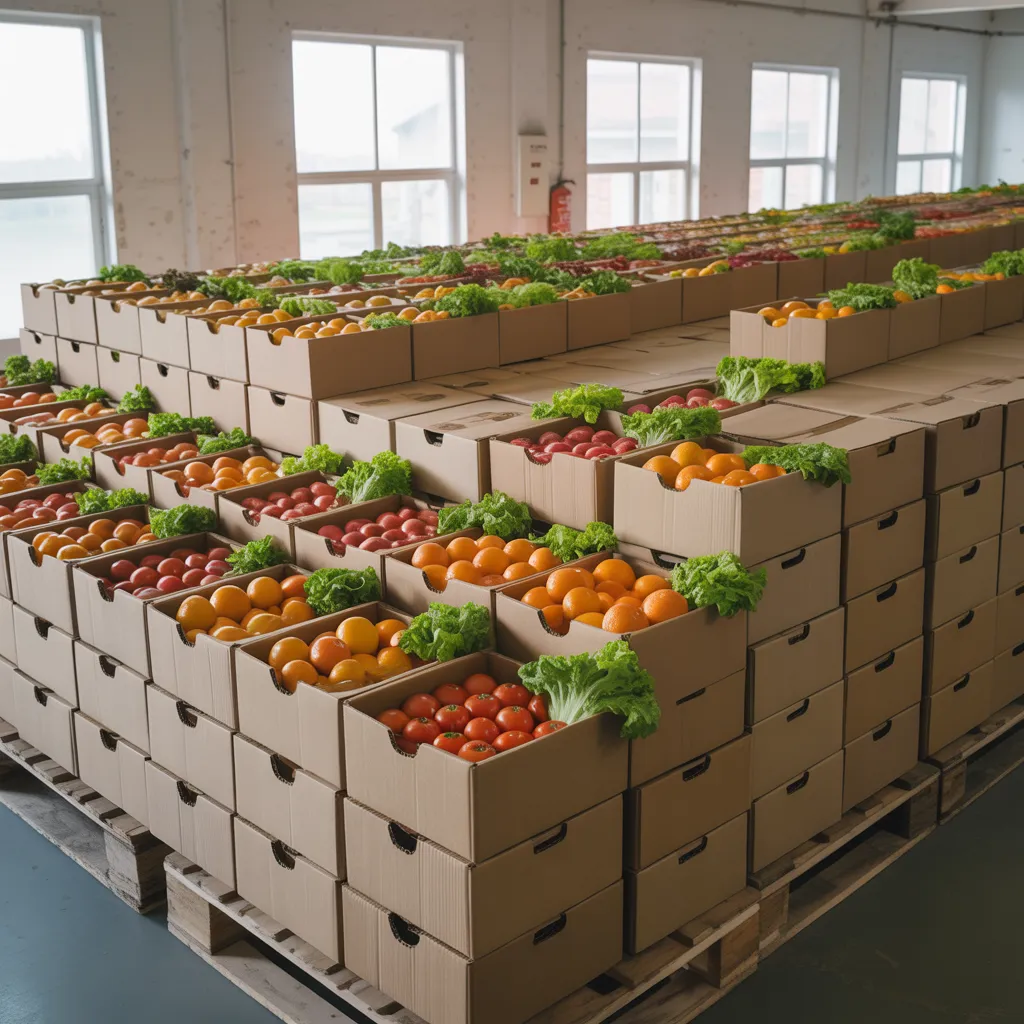
Handling and logistics factors serve as a considerable function in determining the suitable size and shape of custom produce boxes. The dimensions should accommodate the items lacking surplus room, which would result in movement and damage during transport. Compact boxes provide easier handling, whereas larger boxes could be necessary when handling bulkier items. Moreover, ergonomic design proves critical; handles and openings should be strategically situated to allow for pleasant lifting and carrying. The configuration of the packaging likewise affects nesting and balance, ensuring that items remain secure. In conclusion, thoughtful review of these factors boosts the streamlining in shipping, lessens product damage, plus supports the overall quality concerning the produce commencing at orchard reaching purchaser.
Improve Retail Space Management
Smart storage space management copyrights upon determining the proper size and shape of purpose-built storage containers. Specialists should take into account the dimensions of the shelving units as well as the types of produce being held. Rectangular boxes often solidify space efficiency, allowing for smoother arrangement and stacking. Alternatively speaking, nonstandard shapes can heighten aesthetic quality but may result in unutilized gaps if not meticulously planned.
It's important to review the product rotation speed; quick-moving products might leverage smaller, conveniently positioned containers. In addition, applying flexible or customizable designs can facilitate various dimensions of merchandise while refining display organization. By stressing functionality and aesthetic value, organizations can construct a functional and attractive display that improves both ease of access and product prominence.
How to Design Visuals That Grab Interest?
Compelling artwork can transform a plain custom produce box into a beautiful showcase that draws notice. To achieve this, designers should commence by picking a color combination that reflects the freshness and vibrancy of the produce. Bright, captivating colors can evoke impressions of freshness and wellbeing, motivating consumers to take a further look.
Strong typefaces is also essential; clear and legible fonts can effectively communicate essential information while enhancing design attractiveness. In addition, employing superior photographs of the goods can form instant engagement, showcasing the product's quality and compelling prospective customers.
Furthermore, incorporating distinctive visual elements and patterns can help differentiate the brand in a busy market. Alignment in design elements, such as logos and taglines, reinforces brand identity. Ultimately, a blend of inventiveness and precision in graphic design can greatly lift the power of custom produce boxes, making them gain attention on shelves.
Green Practices for Custom Produce Box Protective Covering
A surging count of firms are adopting eco-friendly practices for custom produce box packaging, recognizing its relevance in today's environmentally conscious market. These protocols often include the use of degradable materials, such as recycled paper and plant-based plastics, which curtail environmental impact. Companies are also zeroing in on sustainable sourcing, ensuring that materials are obtained from responsibly managed forests or suppliers who prioritize environmental stewardship.
Furthermore, numerous brands are opting for understated designs that reduce waste while still effectively highlighting their products. This approach not only resonates with environmentally conscious consumers but also helps in lowering production costs. Moreover, businesses are progressively implementing effective manufacturing processes that minimize energy consumption and waste generation. By integrating these eco-friendly practices, companies not only enhance their brand image but also contribute positively to the planet, aligning their operations with a sustainable future.
Verify Your Made-to-Order Produce Box Configuration
Assessing the structure of custom produce boxes is a vital stage in verifying they fulfill both aesthetic and functional requirements. This method generally entails examining factors like durability, size, and usability. First, prototypes should be built to test the box's build quality, confirming it can withstand delivery and storage without compromising the contents.
Next, usability tests can be conducted to determine how easily the boxes can be opened, closed, and stacked. Feedback from prospective customers can be priceless in this phase, providing perspectives into the box's functionality.
In addition, the design's aesthetic value should be validated through focus groups or surveys, analyzing audience responses to branding features, colors, and overall presentation.
Ultimately, extensive testing enables designers to refine the box, guaranteeing it not only attracts customers but also properly safeguards and showcases the produce within, striking the right equilibrium between form and function.
Advertising Your Custom Produce Boxes Effectively
Impactful marketing of personalized vegetable containers requires a well-planned strategy that highlights their unique features and benefits. Businesses must focus on pinpointing their intended customers, such as local farms, grocery stores, or individual consumers. Utilizing social networking sites can enhance market visibility, presenting the boxes' design and practicality through engaging visuals and storytelling.
Additionally, teaming up with local influencers or farmers can strengthen credibility and expand customer base. Featuring promotions or discounts during peak demand times can capture initial customers and encourage sustained patronage.
In addition, highlighting eco-conscious values and sustainable practices in marketing materials can attract green-minded customers. Delivering detailed information about material choices and the perks of custom packaging can additionally differentiate the goods in a competitive market.
Ultimately, a comprehensive marketing strategy that combines web-based and community-based efforts will effectively promote custom produce boxes, attracting a diverse clientele and driving sales.
Frequently Requested Questions
What Fees Accompany Custom Produce Box Design?
Charges regarding custom produce box design feature materials, print production, labor, and freight. Also, design services and order thresholds can shape overall expenses, bringing about varying prices based on individual specifications and production size.
What Time frame Is Involved to Produce Custom Boxes?
Manufacturing of tailored boxes typically requires two to six weeks. Key factors shaping this timeframe encompass design intricacy, sourcing of materials, and manufacturing output, all of which can influence delivery schedules and lead times.
May I Submit an Request for a Small Quantity of Custom Produce Boxes?
Yes, modest quantities of made-to-order produce boxes can generally be ordered. Many suppliers provide minimum order quantities, allowing businesses or individuals to obtain customized packaging solutions without having to commit to large quantities initially.
Which Common Missteps Need Avoiding in Custom Box Development?
Common mistakes in custom box creation feature failing to address functionality, ignoring brand consistency, underestimating material quality, overlooking target audience preferences, and overlooking environmental impact. Each aspect is critical for effective packaging and customer satisfaction.
How Can I Guarantee My Boxes Are Food-Safe?
To confirm boxes are suitable for food, one needs to opt for substances certified for food contact, avoid toxic inks and adhesives, copyright cleanliness during production, and regularly test for compliance with health regulations and safety standards.